While you might take extra care to double clean items that you use regularly, there are certain chemicals that you simply cannot avoid. How come? Well, it's because they're ingrained in many of the everyday products that you never think twice about. Though it's second nature to crumple up your receipt and toss it in your wallet or pocket, Will Bulsiewicz, MD, MSCI, board-certified gastroenterologist, warns against touching this proof of purchase. Many receipts are printed on thermal paper, which means that they're covered in a thin coating of powder that develops the dye needed for the type. He says that "this powder contains BPA, an endocrine-disrupting chemical which has been linked to breast cancer, diabetes, and hormone abnormalities in children." He goes on to say that many studies have shown that BPA can be absorbed through the skin, making it important to limit your interaction with this chemical. "If you don't need a receipt, ask the cashier not to print if it is possible. If you do need it, ask for it to be placed in the bag; don't place the receipt in a bag with food items, particularly items that are consumed raw. Finally be sure you wash your hands well after handling receipts," he advises.
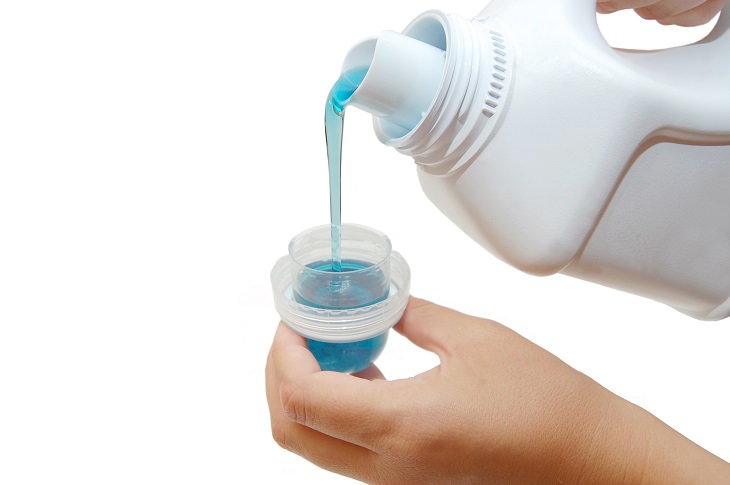
2.. Bug Sprays and Repellents Though they might prevent bug bites, infectious disease specialist and clinical assistant professor Alexea M. Gaffney-Adams, MD, says that some of the ingredients found in bug sprays may raise an eyebrow, specifically, "organophosphates," found in herbicides, nerve agents, chemical agents, and pesticides. They're also known as plasticizers, which are about as scary as it sounds. Gaffney-Adams explains that "these compounds are readily absorbed through the skin and inhaled. They poison insects – and humans – by disrupting neurotransmitters necessary for proper body functions. They can affect breathing and muscle function and can cause cardiovascular collapse and death in large amounts." Prolonged exposure to these chemicals has been linked to lung and heart disease, delayed reflexes, and cancers. According to family physician and general practitioner Maskfika N. Alam, MD, you might be surprised to know that washing your clothes can actually be dangerous. In addition to being full of harsh chemicals, "many detergents contain phenol, which can be easily absorbed through your skin and can cause renal and hepatic dysfunction," she says. When you're in doubt, go with an organic brand of laundry detergent, especially if you have eczema, allergies, or sensitive skin. 4. Fire Retardants Meant to keep us safe, fire retardants have actually been linked to infertility, cancer, and other disorders, according to Dr. Bulsiewicz. "They are used in most infant clothing and can be found in foam cushions in sofas and chairs, as well as children's car seats, nursing pillows, and other upholstered products," he says. To avoid coming into contact with fire retardants, make sure that you buy only natural fiber clothing, particularly for children and infants. Furthermore, if you're looking to upgrade your living room, Bulsiewicz recommends only opting for newer furniture products that contain foam, as most furniture made in America after 2005 does not contain fire retardants. They might get rid of the stench from the bathroom, but inhaling these chemicals isn't safe for anyone in your family. The artificial fragrances that are added to air fresheners can irritate your eyes and cause inflammation. Dr. Alam says that "chronic inhalation of phthalates can cause asthma and can damage your lungs." 8. Hand Sanitizers and Antibacterial Soap You might think that these products are helping you stay healthy, but they can do more harm than good in the long run. The compound triclosan is found in more than 75% of hand sanitizers and antibacterial soaps, as well as in linens, underwear, gym equipment, and plastic products. "This is another endocrine buster resulting in reproductive toxicity through alterations in hormone regulation according to the FDA," Dr. Gaffney-Adams explains. Tricoslan has been linked to allergies, asthma, eczema, and thyroid disease. Furthermore, it's also a suspected carcinogen, and when you overuse these products, you might build an antibiotic resistance to bacteria, making infections more difficult to treat. |
--
You received this message because you are subscribed to the Google Groups "Keep_Mailing" group.
To unsubscribe from this group and stop receiving emails from it, send an email to
keep_mailing+unsubscribe@googlegroups.com.
To post to this group, send email to
keep_mailing@googlegroups.com.
Visit this group at
https://groups.google.com/group/keep_mailing.
To view this discussion on the web visit
https://groups.google.com/d/msgid/keep_mailing/CAH3M5Ouz1nYAbvkQG3b1-VqoYqYYRJR9egW%3DgMUUz9RpSX3q7w%40mail.gmail.com.
For more options, visit
https://groups.google.com/d/optout.




No comments:
Post a Comment