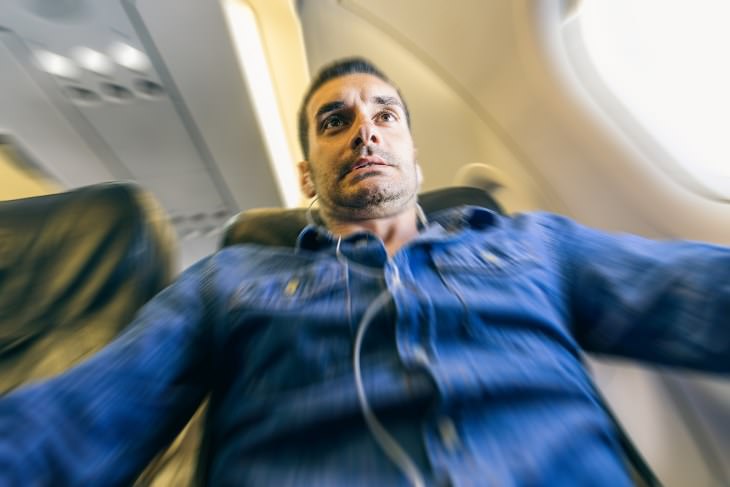
A panic attack is a sudden feeling of intense anxiety, which may also be accompanied by a number of intense physical symptoms, including nausea, disorientation, shaking, an irregular heartbeat, dizziness, sweating, restlessness, tingling fingers, ringing in your ears, and shortness of breath. How Should I Handle a Panic Attack? Professor of Clinical Psychology and Applied Science at the University of Bath, Paul Salkovskis, says that it's very important not to allow your fear of panic attacks to take over. "Panic attacks always pass and the symptoms are not a sign of anything harmful happening," he says. "Tell yourself that the symptoms you're experiencing are caused by anxiety." He points out that during a panic attack, one should avoid looking for distractions, but to ride out the attack instead. "Try to keep doing things. If possible, don't leave the situation until the anxiety has subsided. Confront your fear. If you don't run away from it, you're giving yourself a chance to discover that nothing's going to happen." Once the anxiety begins to subside, you should focus on your surroundings, and carry on with whatever you were doing before the attack began. "If you're having a short, sudden panic attack, it can be helpful to have someone with you, reassuring you that it will pass and the symptoms are nothing to worry about," says Professor Salkovskis. 1. Breathe in through your nose, as gently, slowly, and deeply as possible. 2. Breathe out through your mouth, gently, slowly, and deeply. 3. While breathing in and out, you may find it useful to count from one to five for each inhalation or exhalation. 4. Close your eyes, and simply focus on your breathing. After practicing this for a few minutes, you should begin to feel better. However, it's perfectly normal to feel a bit fatigued afterward. How Can I Prevent Panic Attacks? In order to try and prevent panic attacks from occurring, Professor Salkovskis says that "you need to try to work out what particular stress you might be under that could make your symptoms worse," but that "it's important not to restrict your movements and daily activities." Here are some things that may help you to prevent panic attacks:
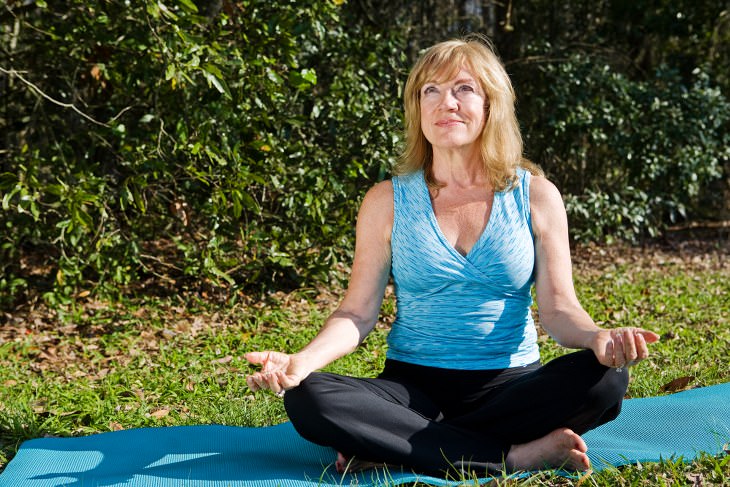
• Doing breathing exercises or practicing meditation on a daily basis.
• Eating regular meals to help stabilize your blood sugar levels.
• Exercising regularly to help you manage stress, boost your confidence, release tension, and boost your mood.
• Avoid smoking, alcohol, and caffeine, since these can aggravate your symptoms.
• Cognitive Behavioral Therapy (CBT) can get to the root of your problem and can alter the negative thought patterns that are fueling your attacks.
• Joining a panic support group can also be very helpful and reassuring.
Should I See a Doctor?
While frightening, panic attacks are typically relatively harmless. However, for more severe cases, it would be a good idea to get a professional opinion. You should see your doctor if:
• You feel unwell after your breathing returns to normal.
• Your panic attack still hasn't subsided after 20 whole minutes of controlled breathing exercises.
• You still have an irregular or rapid heartbeat or chest pains after the attack subsides.
• Your panic attacks become a regular occurrence. |
--
You received this message because you are subscribed to the Google Groups "Keep_Mailing" group.
To unsubscribe from this group and stop receiving emails from it, send an email to
keep_mailing+unsubscribe@googlegroups.com.
To post to this group, send email to
keep_mailing@googlegroups.com.
Visit this group at
https://groups.google.com/group/keep_mailing.
To view this discussion on the web visit
https://groups.google.com/d/msgid/keep_mailing/CAH3M5Ot%2BLO9tFXwyJQR-frA44okFVE3YQK%2BE9bXKa0gq5h8CSQ%40mail.gmail.com.
For more options, visit
https://groups.google.com/d/optout.

No comments:
Post a Comment