| However, with hand sanitizers, there are two questions that we should ask: • Are hand sanitizers a suitable alternative to hand washing?
• Can they eliminate illness-causing germs in situations where using soap and water is inconvenient? While hand sanitizers do kill germs, it's very important to limit your use of them as over-using this hygiene product has certain drawbacks that can cause a number of health problems. Here are 8 reasons why you should avoid frequent use of hand sanitizers. 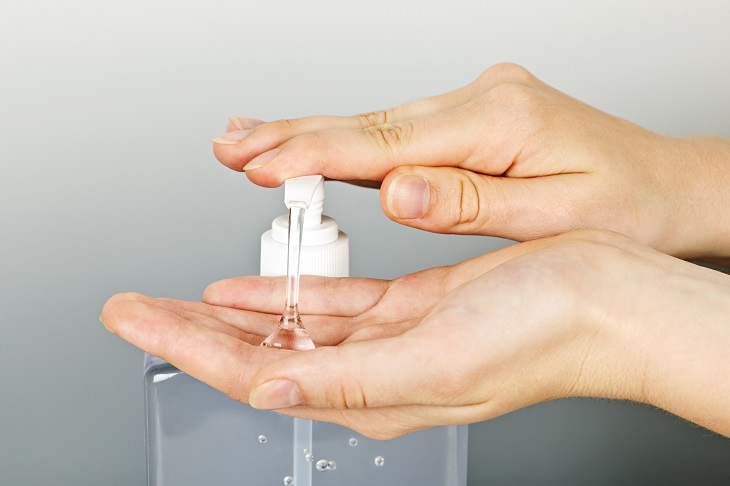 Triclosan, known for its antibacterial properties, is found in most commercial hand sanitizers. However, it may do more harm than good. This chemical can contribute to making bacteria resistant to antibiotics. A study carried out in 2006 published in the journal Microbial Drug Resistance, found that widespread use of tirclosan may pose a potential public health risk of concomitant resistance to clinically important antimicrobials. Furthermore, another study in 2014 published in Frontiers in Microbiology also found that this chemical is associated with multi-drug resistance. Moreover, a 2012 study published in the Proceedings of the National Academy of Sciences notes that triclosan is a priority pollutant of growing concern to human and environmental health. The study found that this chemical can weaken cardiac and skeletal muscle contractility in a way that can negatively impact muscle health, especially in susceptible populations. 2. Alcohol Poisoning
Even if a hand sanitizer does not contain triclosan, it does not mean that it is completely safe. Another antimicrobial active ingredient in hand sanitizers is alcohol. Hand sanitizers that contain 65% ethyl alcohol are harmful when swallowed, either intentionally or unintentionally. Ethyl alcohol has been linked to immune dysfunction and hypersensitivity, which can cause asthma and chronic dermatitis. 3. Not Effective against Norovirus
Norovirus, which causes vomiting and diarrhea, is very contagious and can infect anyone. Hand sanitizers are not effective at protecting people from contracting the norovirus. A study carried out on 2010 and published in Applied and Environmental Microbiology reports that despite the promise of alcohol based sanitizers on the control of pathogen transmission, they are relatively ineffective against the norovirus. This reinforces the need to develop new products that protect against this important group of viruses.  After making use of a hand sanitizer, we think that our hands are clean. However, in reality, if your hands are too dirty, hand sanitizers will not remove all the residue or germs. This is one of the reasons why the CDC recommends washing your hands with regular soap and warm water. For them, hand sanitizers should only be used when soap and water are not available. 5. Causes Dry skin
Both alcohol-based as well as antibacterial hand sanitizers are harmful to the skin. The high alcohol content of some sanitizers may strip the skin of its outer layer of natural oil. This will hamper the protective barrier function of the skin and cause skin dryness, peeling, and redness. Antibacterial hand sanitizers may cause skin sensitivity in the shape of itching, a burning sensation or dry skin. In fact, small children should not use hand sanitizers in excess as they're more prone to skin irritation. 6. Unknown Chemicals Added for Fragrance
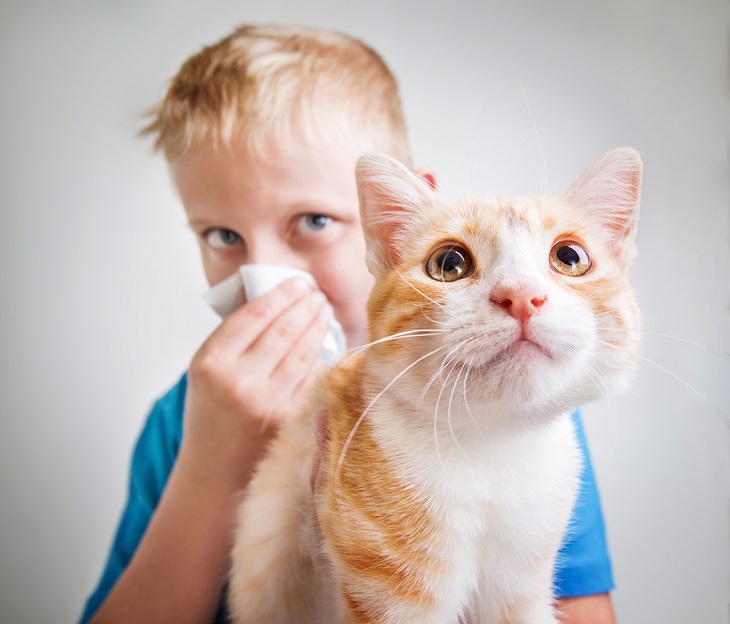
Many hand sanitizers include chemical fragrances which can be irritating and have been linked to allergies and hormone disruption. Therefore, you should avoid hand sanitizers that have a fragrance, unless the label clearly states that it's derived from essential oils. It is much better to choose one which is unscented. According to some research published in Environmental Health Perspectives in 2011, Children under the age of 18 who were exposed to triclosan were found to be susceptible to seasonal allergies. Kids need to be exposed to bacteria so that their bodies are able to develop antibodies, so the use of hand sanitizers should be kept to a bare minimum.. 8. Flammable Products
Due to the high alcohol content of the majority of hand-sanitizing liquids, these substances are flammable. The alcohol gel can catch fire, creating a translucent blue flame. Carbon dioxide and carbon monoxide can also form. To keep the risk of a fire down, alcohol sanitizer users should rub the gel on their hands until they're dry - this indicates that the flammable alcohol has evaporated. Also, keep the sanitizers away from a naked flame, including candles and gas appliances. The Bottom Line
Washing your hands with soap and warm water offers the best protection against germs and bacteria. However, when that is not possible, hand sanitizers (used as directed on the label) may offer some protection and reduce the chances of getting ill. Apply a dime-sized amount to the palm of one hand and then rub your hands together, covering all surfaces of both hands. It should take roughly 30 seconds of rubbing for the liquid to completely dry. Don't touch any food (or anything else for that matter) until your hands are dry. |
--
You received this message because you are subscribed to the Google Groups "Keep_Mailing" group.
To unsubscribe from this group and stop receiving emails from it, send an email to
keep_mailing+unsubscribe@googlegroups.com.
To post to this group, send email to
keep_mailing@googlegroups.com.
Visit this group at
https://groups.google.com/group/keep_mailing.
To view this discussion on the web visit
https://groups.google.com/d/msgid/keep_mailing/CAH3M5OskSjKHB9YNGM%3DysZ1VmimOe7BZOBn-tqb5F0GtX6a09w%40mail.gmail.com.
For more options, visit
https://groups.google.com/d/optout.

No comments:
Post a Comment